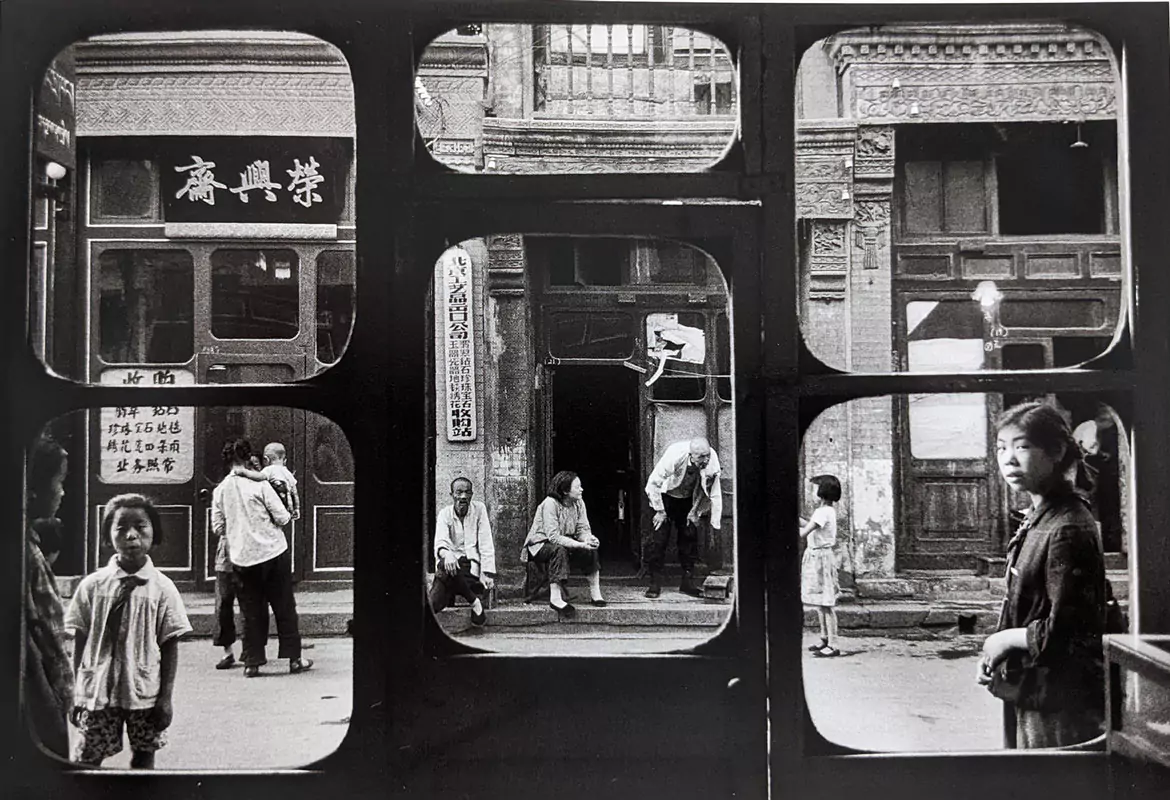
When I visited the M+ Museum during my trip to Hong Kong, I had the chance to explore the exhibition “Noir & Blanc—A Story of Photography.” This collection of black and white photographs featured one of Marc Riboud’s works, “Liu Li Chang, 1965.” The way Riboud framed his subjects was simply amazing. Inspired, I returned to Vancouver and borrowed “Marc Riboud: 50 Years of Photography” from my local public library to learn more about his work.
“I photograph the way a musician hums. Looking is like breathing. When luck comes my way and offers me a good picture, joy is surely at hand.”
Marc Riboud was born on June 24, 1923, in France, At 14, he took his first photograph using his father’s Vest Pocket Kodak during the Paris World Exhibition in 1937. This moment marked the beginning of a lifelong passion for Photography. He initially studied engineering and worked in a factory before deciding to pursue photography full-time in the early 1950s.
Joining Magnum Photos
In 1953, Riboud’s career took a significant turn when he met Henri Cartier-Bresson and Robert Capa, the founders of Magnum Photos. Impressed by his work, they invited him to join the prestigious photo agency. This opportunity allowed Riboud to travel extensively, documenting diverse cultures and pivotal moments in history. His affiliation with Magnum Photos also provided him with the creative freedom to explore his unique style and approach to photography.
Global Travels and Human Stories
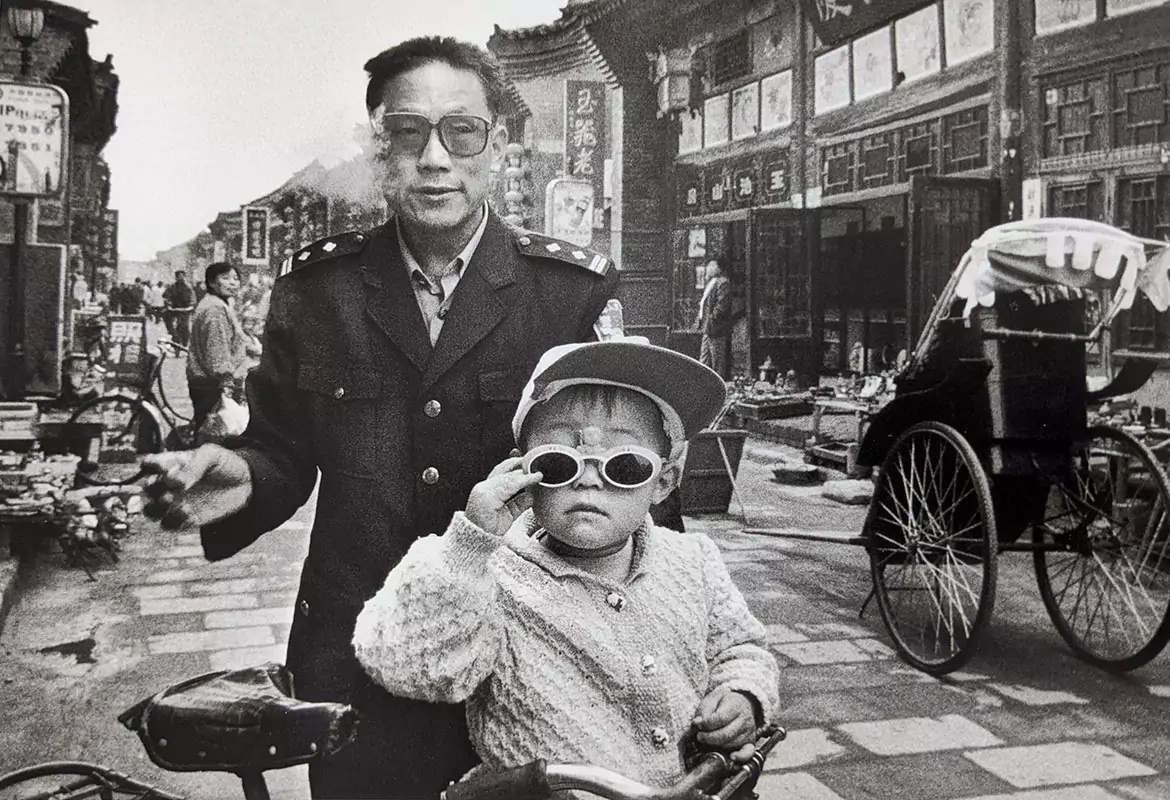
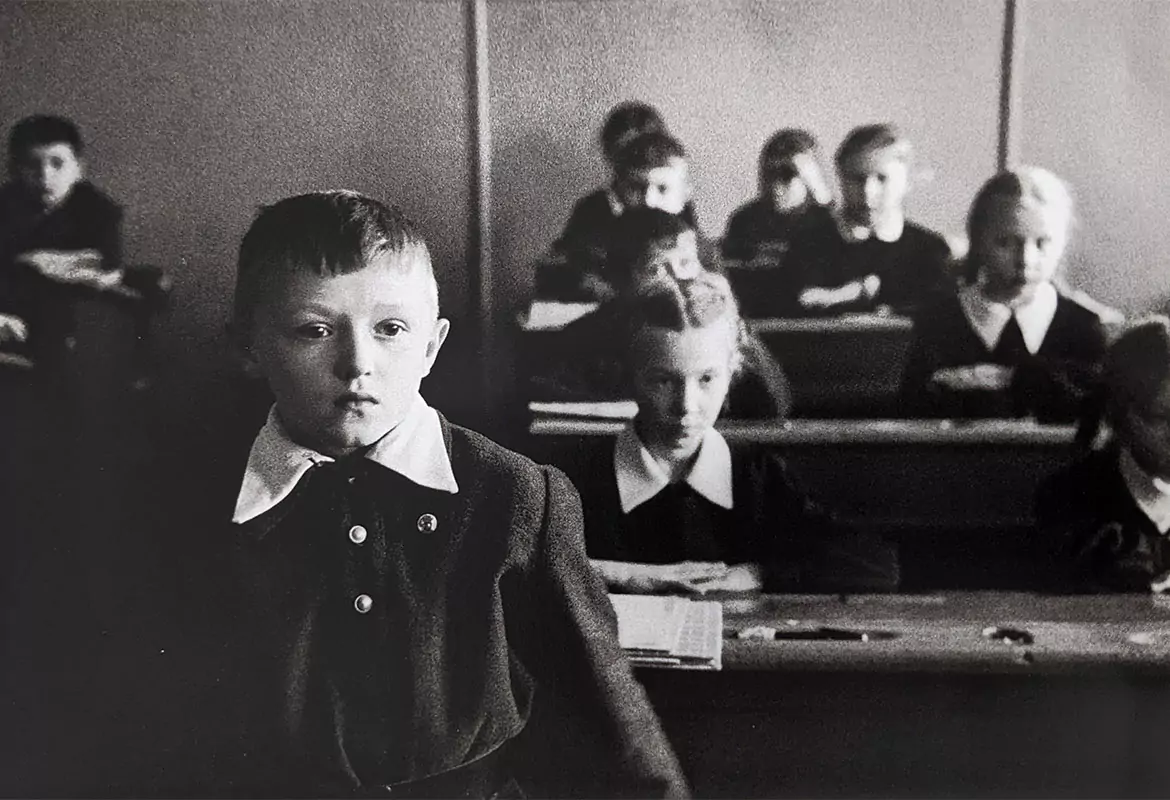
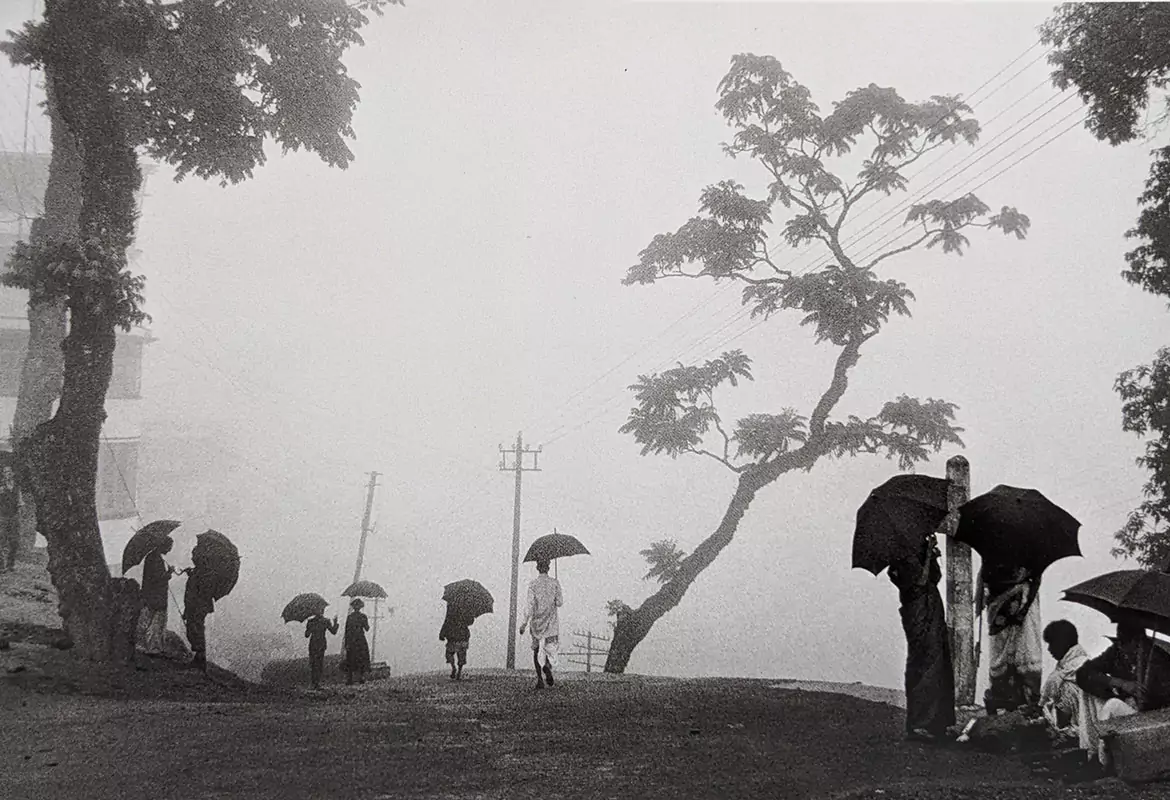
Throughout his career, Riboud travelled extensively, documenting life in countries such as China, Vietnam, India, and Turkey. His photographs reveal his deep empathy and respect for the people he encountered. In China, he captured the daily lives of ordinary citizens during a time of great political change. In Vietnam, his images of war and its aftermath provide a poignant commentary on the human cost of conflict.
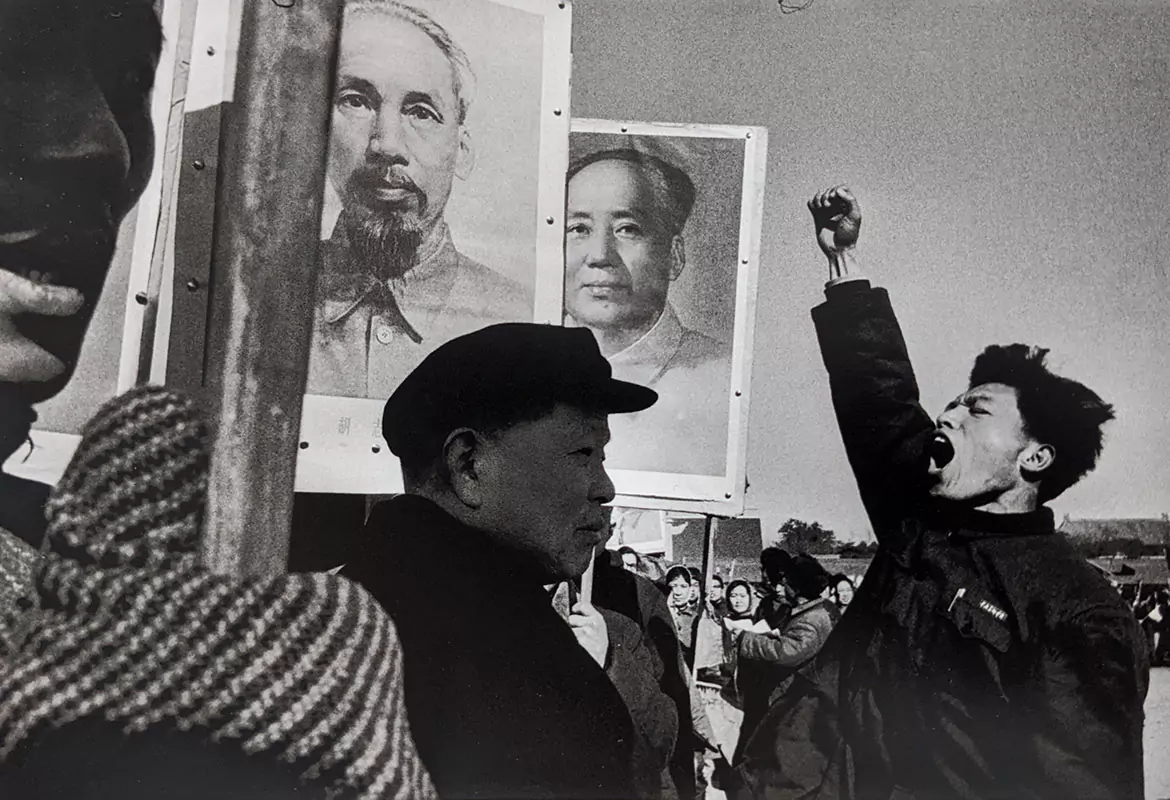
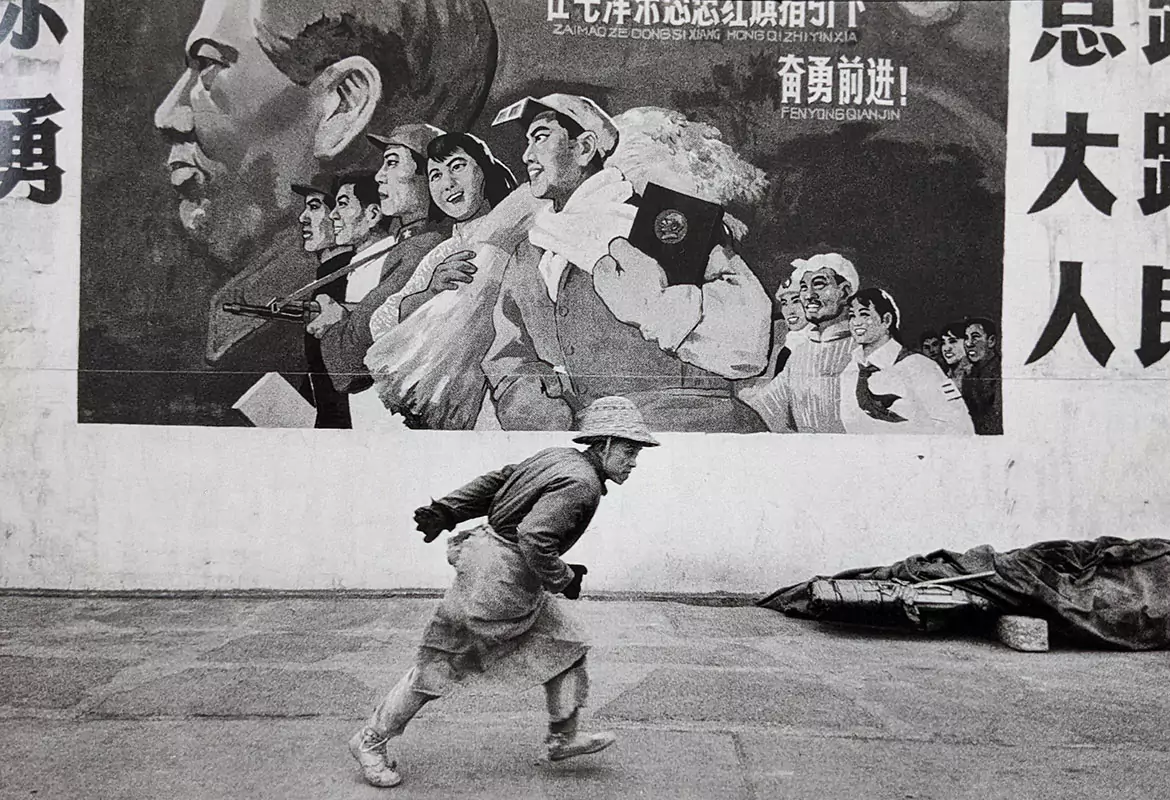
Riboud’s ability to connect with his subjects and capture their essence is evident in his portraits. Whether photographing world leaders, artists, or anonymous individuals, he brought out the humanity in each person, allowing viewers to see the world through their eyes. His portraits of luminaries such as Pablo Picasso, Ho Chi Minh, and the Dalai Lama are timeless, offering intimate glimpses into their lives.
Marc Riboud played a crucial role in shaping the field of photojournalism and inspiring future generations of photographers. His images have been exhibited in major museums and galleries worldwide, and his publications continue to be highly regarded. His belief in the power of images to tell stories and bridge cultural divides resonates in an era where visual communication is more important than ever.
Conclusion
Marc Riboud’s legacy is one of artistic brilliance and profound humanism. Through his lens, he captured the beauty, complexity, and resilience of the human spirit. His photographs are not just records of history but timeless works of art that continue to inspire and move us. Riboud’s work reveals a deep passion for seeing and a desire to understand the world surrendering. His images invite us to see the world with fresh eyes and to find beauty in the ordinary moments of life.
Feature image: “Flower Child” (1967), taken during a peace march in Washington, D.C. Marc Riboud shows a young woman placing a flower in the barrel of a National Guardsman’s rifle, symbolizing the peaceful resistance of the anti-Vietnam War movement.