
My darkroom instructor recommended Berenice Abbott to me for her urban and architectural photography. What I discovered was far more than just New York City architectural photographs, though I will mainly focus on her “Changing New York” project.
Born in Springfield, Ohio, in 1898, Abbott’s journey from a young, aspiring artist to one of America’s most influential photographers is a testament to her relentless pursuit of capturing the essence of urban life and the transformative power of the photographic medium. Her work, spanning several decades, not only documented the architectural evolution of cities but also immortalised the spirit of an era defined by rapid change and innovation.
Early Life and Artistic Beginnings
A restless spirit and a deep curiosity about the world around her marked Berenice Abbott’s early life. She moved to New York City in 1918, where she initially studied sculpture. Her artistic ambitions soon led her to Europe, where she became involved with the avant-garde circles in Paris. Abbott’s trajectory took a decisive turn when she became an assistant to the legendary photographer Man Ray.
Under Man Ray’s mentorship, Abbott honed her technical skills and developed a keen eye for composition and detail. It was only a short time before she embarked on her own photographic career, capturing portraits of notable figures such as James Joyce and Jean Cocteau.
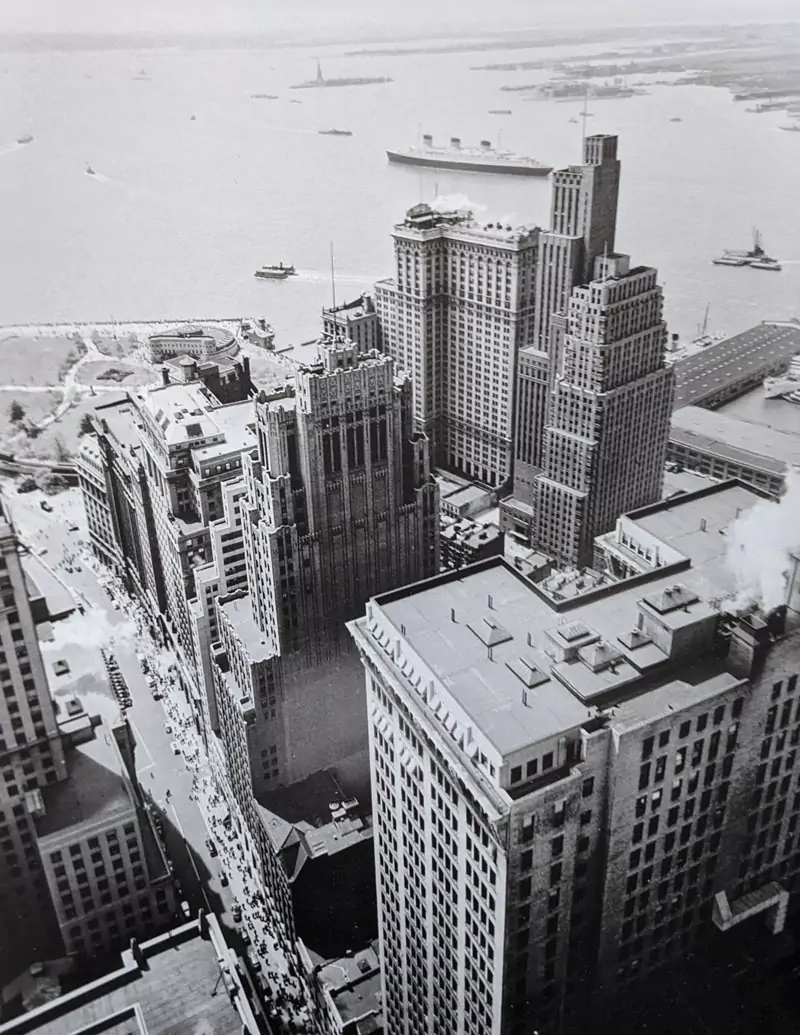
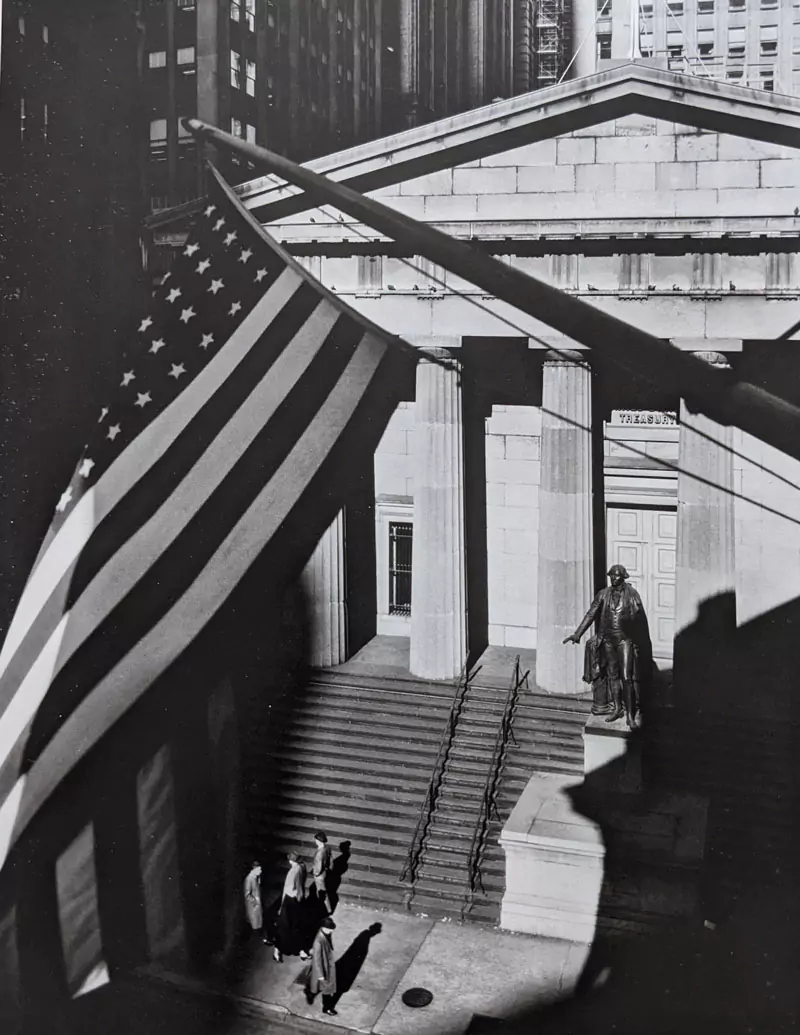
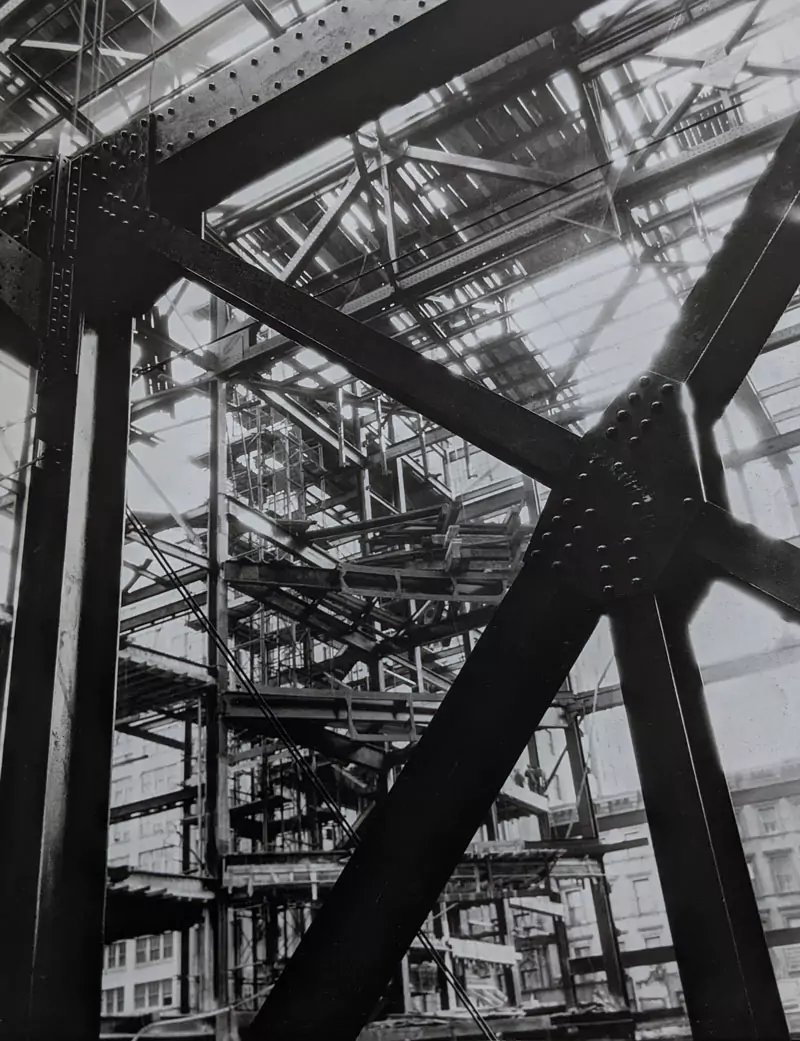
New York and the Changing Landscape
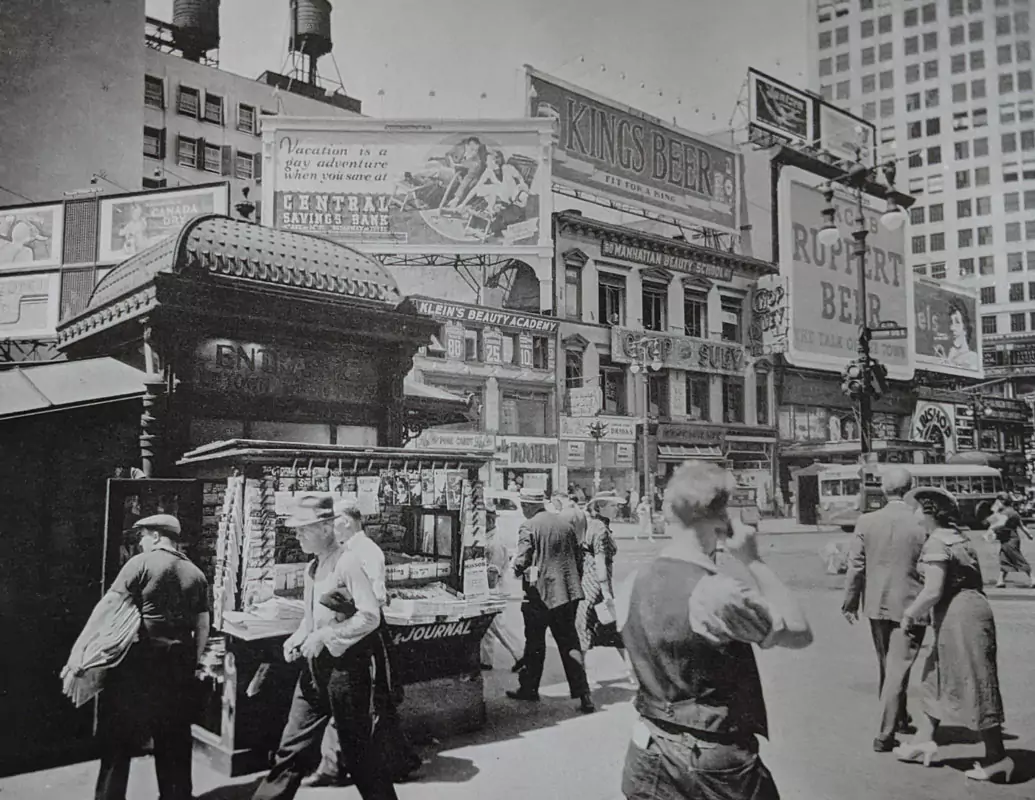
Abbott’s return to New York City in 1929 marked the beginning of her most iconic body of work. She was struck by the dramatic changes taking place in the city’s skyline and felt a profound urge to document its transformation. With a grant from the Federal Art Project, Abbott took on the ambitious project “Changing New York,” aiming to capture the city’s dynamic landscape during the Great Depression.
“Changing New York” is a visual anthology of the city’s architecture, streets, and people during a period of significant turmoil and growth. Abbott’s photographs from this series are notable for their precision, clarity, and architectural focus. She used a large-format camera, which allowed her to capture intricate details and produce images of remarkable depth and dimension.
Her work highlights the contrasts inherent in the urban experience: the old juxtaposed with the new, the opulence of skyscrapers set against the modesty of apartments, and the dynamic movement of city life captured in still frames.
Through her lens, Abbott also explored the socio-economic disparities exacerbated by the Great Depression. Her images often juxtapose the grandeur of commercial buildings with the more humble abodes of ordinary New Yorkers, highlighting the economic divide.
Her work provided an invaluable historical record of New York City at a critical juncture, and it continues to be a vital resource for historians, architects, and photographers.
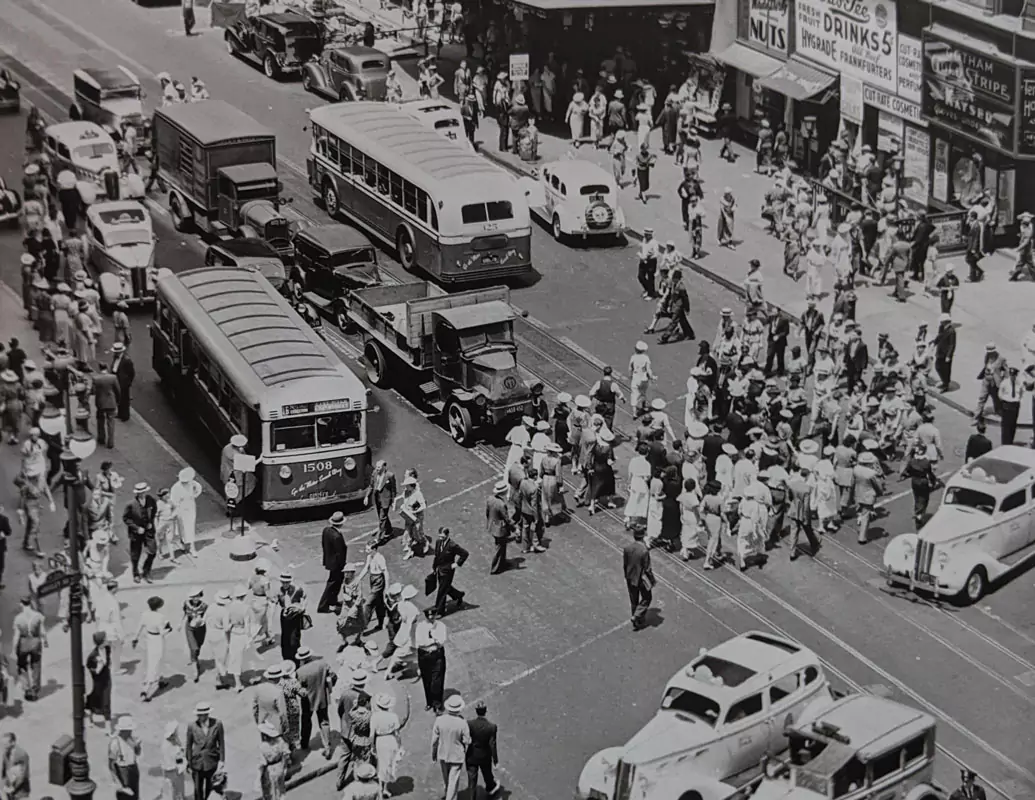
Scientific Photography and Later Work
Abbott’s curiosity and innovative spirit extended beyond urban landscapes to the realm of scientific photography. In the late 1930s and 1940s, she began experimenting with techniques to visualize scientific principles, such as the behaviour of light and motion. Science and the innovation it brings are everywhere, touching everyone. For most people, science feels like a black box—too complicated to understand. Through her photographs, Berenice Abbott aimed to offer a new tool to help people grasp the power of science a little better.
Conclusion
Berenice Abbott’s legacy is a vibrant mix of her many works and her determined mission to capture the truth through her camera lens. Abbott’s commitment to documenting the world with clarity and honesty has left an indelible mark on the field of photography, inspiring countless others to explore and capture the beauty and complexity of the world around them.
Abbott once said, “Photography helps people to see.” Through her lens, she helped the world see the rapid changes of her time, the intricate details of scientific phenomena, and the unique essence of individuals.


