
About.
A space shaped by curiosity and experimentation — exploring film photography through process, patience, and the unexpected.
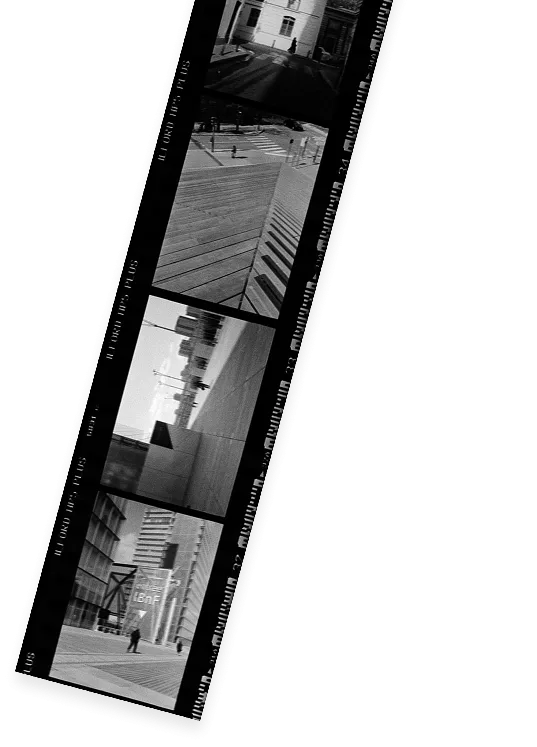
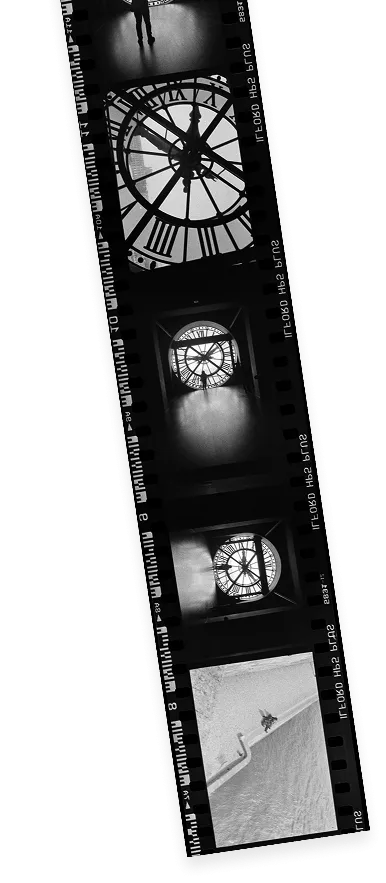
why film?
It started purely from experimentation. Digital photography — and its instant, repeatable process — began to feel a bit meaningless, so trying film became a way to reconnect and bring back some excitement. The first time you pull a roll out of the tank and see images appear, it feels like magic — and it’s hard not to get hooked.
What began as curiosity quickly became a hands-on way of creating — slower, more intentional, and rooted in the process itself. Each roll is an experience, from shooting to developing, where the result is never fully known until the end.
Why B&w?
Black and white sits at the core of the work. It strips things back and brings the focus to light, contrast, and texture — a simple, timeless way to capture mood and atmosphere without distraction.
Most of the work is shot in B&W, both in 35mm and 120. There’s always been a soft spot for classic black-and-white photography and cinematography — that grainy, textured aesthetic and the way contrasts shape an image. And maybe there’s also a bit of discomfort with color — it adds another layer of complexity to manage, while black and white feels more direct and intuitive.
Photographers like Fan Ho and Sebastião Salgado, along with filmmakers like François Truffaut (The 400 Blows) and Akira Kurosawa (Sanjuro), have all shaped that visual sensibility over time.
experimentation.
Experimentation is at the heart of Grainy Rolls. It’s about trying different approaches and seeing how each choice shapes the final image — from testing various film stocks to pushing film, or switching between lens/cameras to explore different formats and perspectives.
The process also extends to development, experimenting with different chemicals — and yes, even developing film with coffee. Caffenol comes back into the mix from time to time, adding its own character to the results. Not everything works as expected, and that’s part of it. Each attempt brings something new — a texture, a contrast, or an unexpected surprise — keeping the process open, evolving, and always a bit unpredictable.
My Go-To.
Over time, a few tools naturally became go-to companions. Cameras like the Hasselblad 500cm, the Canonet QL17, and more recently the FED 2 each bring a different way of seeing — whether it’s the slower, more deliberate medium format or the quick, everyday feel of a rangefinder.
On the film side, Ilford HP5 is used heavily for its versatility and forgiving nature — it handles a wide range of conditions and still delivers. Ilford FP4 and Fuji Acros II also find their place, especially for their contrast and the distinct look they bring to certain scenes.